Key Takeaways
- Interactive Displays Drive Engagement: Interactive retail displays transform static shelving into dynamic, engaging experiences through technology such as touchscreens and motion sensors. This boosts customer engagement, attracts attention, and encourages purchases.
- Three Key Types Exist: Interactive Retail Store Displays (e.g., smart mirrors, virtual catalogs for exploration), Smart Retail Displays (using real-time data for personalized recommendations), and Digital Retail Displays (dynamic visual content, such as LED walls, for storytelling and instant updates).
- Core Benefits: These displays enhance the shopping journey by reducing guesswork, improving product recall, and deepening brand connection through visual storytelling, ultimately leading to higher conversion and customer loyalty.
- Success Depends on Strategy: Effective implementation requires simplicity, audience segmentation, integration with systems such as POS/loyalty programs, and regular measurement of metrics like dwell time and conversion rates to optimize the experience.
Retail displays go beyond product arrangement and generic neatness. Customers today expect an engaging and memorable shopping experience. Interactive retail displays help bridge that gap by turning ordinary shelves and signage into dynamic experiences that attract attention, boost engagement, and encourage purchases.
These systems combine motion sensors, digital screens, and touch technology to create an engaging in-store environment. From digital mirrors to touchscreen kiosks, interactive retail store displays give shoppers more control, making every visit informative and enjoyable. They also help brands stand out in a crowded marketplace, where static setups often fail to hold attention.
When used right, interactive in-store displays connect to customers beyond attraction. They make product discovery fun, simplify decision-making, and encourage repeat visits, which ultimately builds customer loyalty.
Types of Interactive In-Store Displays
Interactive displays are not one-size-fits-all. They are highly customizable and tailored to brand aspects and goals. Some popular choices among interactive displays are:
Interactive Retail Store Displays
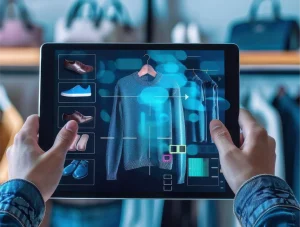
Interactive retail store displays use technology to bring static product shelves to life. Touchscreen panels, smart mirrors, and virtual catalogs let customers explore features, compare options, and get personalized recommendations. Instead of relying solely on store staff, shoppers can engage with products independently, improving convenience and confidence in purchase decisions.
These displays help brands clearly highlight their value. For example, a beauty retailer might install an interactive mirror that shows how makeup looks on different skin tones. This simple yet smart setup improves customer engagement and drives conversion right at the store level.
Smart Retail Displays
Smart retail displays use real-time data to make product showcasing more meaningful. They can detect customer preferences, dynamically adjust content, and display personalized recommendations. Many stores also connect these displays to loyalty programs, offering exclusive offers or discounts when customers scan their app.
This level of interaction keeps shoppers curious and involved. It also helps brands understand what products attract attention, allowing better merchandising decisions and improved in-store layouts. Smart retail displays make every product shelf a data point for understanding shopper behavior.
Case Study: Powering Exponential Growth for Conns HomePlus
Digital Retail Displays
Digital retail displays combine visuals, sound, and motion to grab attention. They often showcase product stories, campaigns, or tutorials through LED walls or digital signage. These are especially useful in high-traffic areas, where motion-based content quickly captures attention.
Digital retail displays also keep promotions dynamic. Instead of manually replacing posters or banners, content can be updated instantly to match campaigns, stock availability, or seasonal demand. This flexibility saves time, reduces waste, and keeps the store experience fresh.

Benefits of Interactive Retail Displays
A well-placed interactive display creates an experience that customers enjoy returning to. Some benefits include:
Increasing Customer Engagement
The biggest advantage of interactive retail displays is the engagement they create. Interactive retail store displays make that possible by reducing guesswork.
Smart product finders, virtual try-ons, and touchscreen catalogs give customers the information they need instantly. When customers touch, explore, and interact with a display, they stay longer in the store. The experience feels more immersive and less transactional.
Enhancing Shopping Experience
Interactive in-store displays help spark curiosity, encouraging shoppers to learn more about products instead of just browsing. This active participation leads to better product recall and higher chances of purchase. The more involved the customer, the higher the likelihood of conversion.
Smart retail displays can also adapt content to match the shopper’s interests and make sure that each experience feels relevant. Whether it’s suggesting a matching product or showing nearby availability, these tools simplify the buying journey and improve overall satisfaction.
Improving Brand Interaction
Digital retail displays can tell a brand’s story visually, through video, testimonials, or behind-the-scenes footage, making interactions more authentic.
A well-designed interactive in-store display helps customers connect emotionally with a brand. This visual storytelling approach deepens trust and helps customers remember the brand long after they leave the store.
Best Practices for Implementing Interactive In-Store Displays

Conclusion
The retail floor is evolving into an experience zone where engagement matters as much as product quality. Interactive retail displays make that transformation possible by turning every visit into a memorable interaction.
Whether it’s smart retail displays offering real-time suggestions or digital retail displays showcasing vivid brand stories, interactive technology helps brands strengthen loyalty and drive repeat visits. Retailers who embrace these innovations today are setting the stage for more connected, data-driven, and customer-focused retail experiences tomorrow.
TechBlocks is staying ahead of the change with digital-first customer solutions in connected retail. TechBlocks’ solutions link online and in-store experiences that help customers stay connected. Interactive product displays, self-service kiosks, and dynamic signage also help craft exciting in-store digital experiences. The future of retail is moving towards personalized customer journeys, and brands that stay true to this will be guaranteed to stay ahead.
FAQs on Interactive Retail Displays
Smart retail displays use motion sensors, touchscreens, and real-time data to respond to customer behavior. They can suggest products, display promotions, or adjust content based on customer interactions, keeping customers engaged and curious throughout their visit.
Yes. Digital retail displays can connect directly with store apps to provide personalized experiences. Shoppers can scan QR codes, sync loyalty points, or save product details for later, seamlessly bridging the in-store and online experience.
Retailers can measure success through dwell time, interaction frequency, and sales conversions. These insights help evaluate how well interactive retail store displays attract attention and influence purchase decisions.